Shrink-Wrapping Benefits for Winter Outdoor Storage

As winter approaches, many homeowners and businesses face the challenge of protecting their outdoor items from harsh weather conditions. From garden furniture to vehicles, the cold, snow, and ice can cause significant damage if proper precautions are not taken. One effective solution that has gained popularity is shrink-wrapping. This method not only provides a protective barrier but also offers numerous benefits that can save you time, money, and effort in the long run.
What is Shrink-Wrapping?
Shrink-wrapping is a process that involves covering an object with a plastic film that shrinks tightly around it when heat is applied. This creates a snug, protective layer that is resistant to moisture, dirt, and UV rays. The process is commonly used for various items, including boats, furniture, and equipment, making it an ideal choice for winter outdoor storage.
Benefits of Shrink-Wrapping for Winter Storage
1. Protection from the Elements
One of the primary benefits of shrink-wrapping is its ability to protect items from harsh winter conditions. The plastic film acts as a barrier against:
Moisture: Prevents water from seeping in and causing rust or mold.
Snow and Ice: Keeps snow and ice from accumulating on surfaces, which can lead to damage.
UV Rays: Protects against sun damage during the winter months when the sun can still be strong.
2. Cost-Effective Solution
Shrink-wrapping can be a cost-effective solution for winter storage. By preventing damage to your items, you can avoid costly repairs or replacements. For example, a boat that is properly shrink-wrapped can save thousands in maintenance costs compared to one that is left exposed to the elements.
3. Space Efficiency
Shrink-wrapping allows for more efficient use of storage space. When items are wrapped tightly, they can be stacked or stored closely together without the risk of damage. This is particularly beneficial for businesses that need to maximize their storage capacity during the winter months.
4. Easy to Apply and Remove
The shrink-wrapping process is relatively simple and can be done by professionals or even by DIY enthusiasts. Once the items are wrapped, they can be easily removed in the spring when the weather improves. This convenience makes shrink-wrapping an attractive option for many.
5. Versatility
Shrink-wrapping is versatile and can be used for a wide range of items, including:
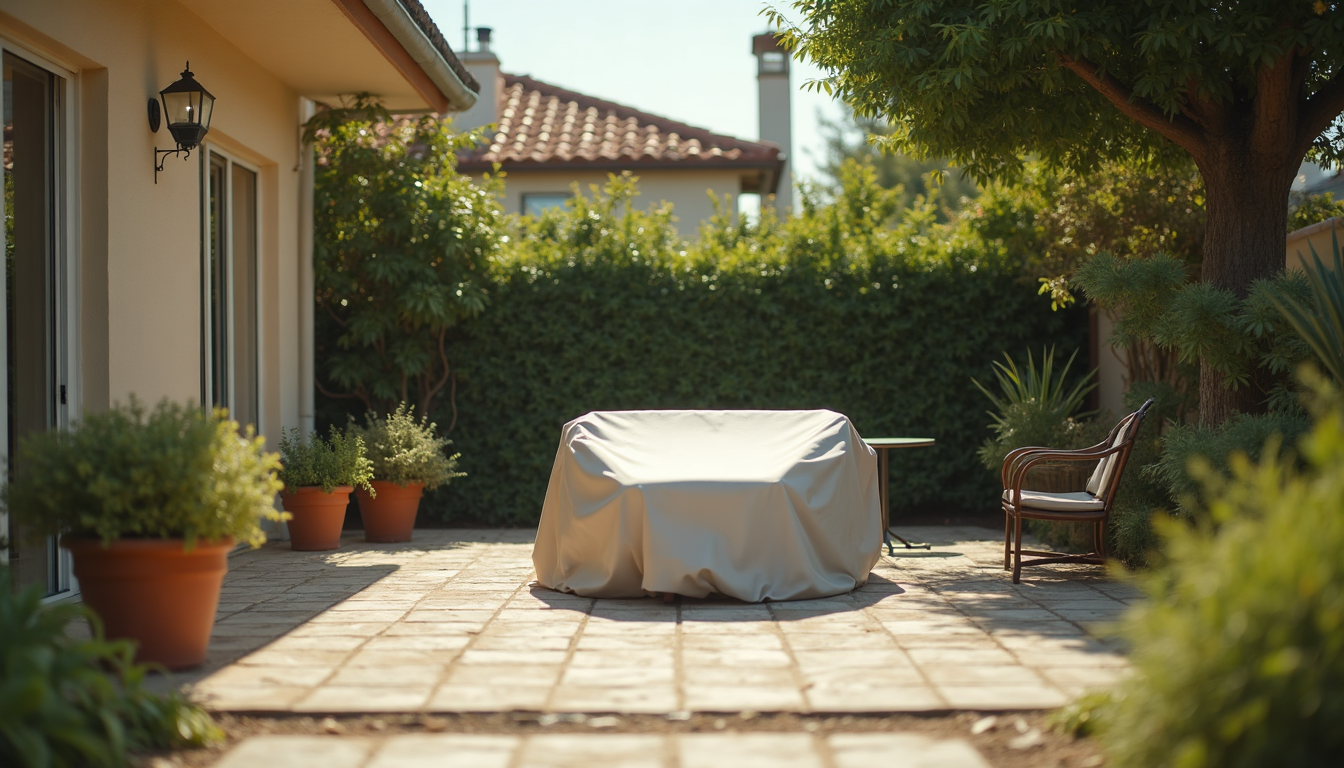
Outdoor Furniture: Protects against moisture and UV damage.
Vehicles: Keeps cars, motorcycles, and RVs safe from the elements.
Equipment: Safeguards tools and machinery from rust and corrosion.

How to Shrink-Wrap Items for Winter Storage
Materials Needed
To shrink-wrap your items, you will need:
Shrink wrap film: Available in various thicknesses and sizes.
Heat source: A heat gun or propane torch works well.
Cutting tool: Scissors or a utility knife for trimming the film.
Protective gear: Gloves and goggles for safety.
Step-by-Step Process
Clean the Items: Ensure that the items are clean and dry before wrapping. This prevents moisture from being trapped inside.
Measure and Cut the Film: Cut a piece of shrink wrap that is large enough to cover the item completely, leaving extra material for sealing.
Wrap the Item: Start at the bottom and work your way up, wrapping the film around the item tightly. Make sure to overlap the film to create a secure seal.
Seal the Edges: Use a heat source to seal the edges of the film. Move the heat gun or torch evenly to avoid burning the plastic.
Shrink the Film: Once the edges are sealed, apply heat to the entire surface of the wrap. This will cause the film to shrink tightly around the item.
Inspect the Wrap: Check for any gaps or loose areas and reapply heat as necessary to ensure a tight seal.
Common Mistakes to Avoid
While shrink-wrapping is straightforward, there are some common mistakes to avoid:
Not Cleaning the Items: Failing to clean items can lead to trapped moisture and mold growth.
Using the Wrong Thickness of Film: Thinner films may not provide adequate protection, while overly thick films can be difficult to handle.
Overheating the Film: Applying too much heat can cause the film to burn or melt, compromising its integrity.
Conclusion
Shrink-wrapping is an effective and practical solution for winter outdoor storage. By protecting your items from the elements, you can save money and time while ensuring that your belongings remain in excellent condition. Whether you are a homeowner looking to protect your patio furniture or a business needing to store equipment, shrink-wrapping offers a versatile and efficient option. As winter approaches, consider shrink-wrapping as a proactive measure to safeguard your outdoor items.
By taking this simple step, you can enjoy peace of mind knowing that your belongings are well-protected against the harsh winter weather.

Comments